
Investment
Dubai Rental Yields vs London, Mumbai, Singapore: 2026 Comparison
How Dubai rental yields compare with London, Mumbai and Singapore in 2026. Segment-by-segment breakdown for prime apartments, waterfront residences and family villas, with tax-adjusted net yield comparison for foreign investors.
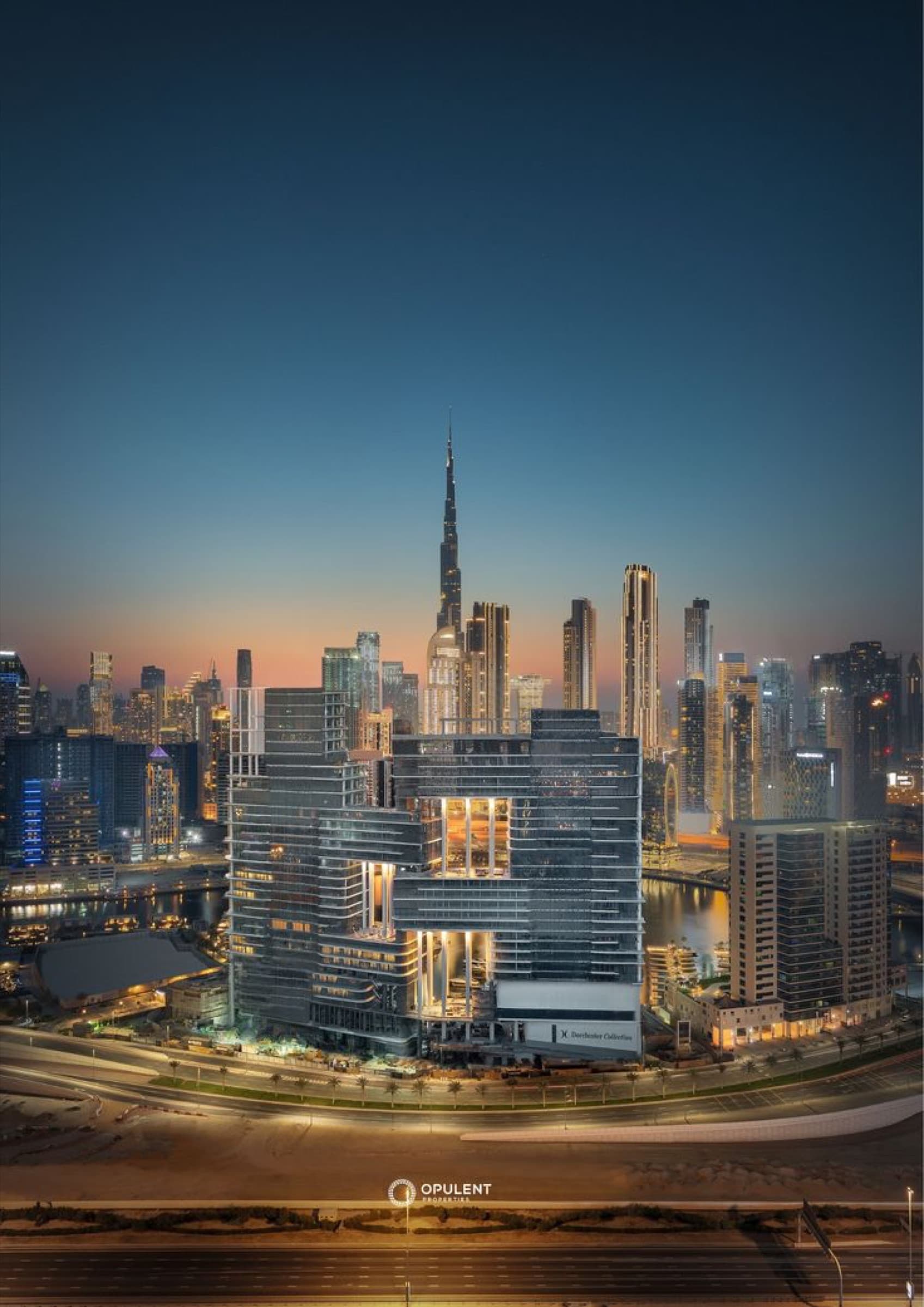
Rental yield is the single most-asked comparison metric among international investors evaluating Dubai. We track the four cities that generate the most Dubai enquiries, London, Mumbai, Singapore, plus Dubai itself, and here is the honest 2026 picture.
Prime apartment gross rental yields (2026)
- Dubai, prime residential (Downtown, Marina, Palm Jumeirah): 6.0–8.0%
- London, prime central (Mayfair, Kensington, Chelsea): 3.0–4.0%
- Mumbai, prime (South Bombay, BKC, Lower Parel): 2.5–3.5%
- Singapore, CCR (Orchard, Sentosa, Marina): 2.5–3.5%
Family villa yields
- Dubai, Palm Jumeirah signature villas: 4.5–6.0%
- London, Kensington townhouses: 2.5–3.5%
- Mumbai, Juhu / Bandra bungalows: 1.5–2.5%
- Singapore, Good Class Bungalow: sub-2% (capital play, not income)
Net-of-tax yield for a foreign investor
Gross yield tells half the story. Net yield after local taxes and typical costs (service charge, agency, void allowance, and where applicable rental income tax) tells the truer picture for a foreign investor.
- Dubai, no rental income tax, ~1.5–2.5% service charge → net 4.5–6.5%.
- London, 20–45% income tax + Section 24 restrictions → net 1.5–2.5%.
- Mumbai, 30% marginal tax + society charges → net 1.5–2.5%.
- Singapore, 22–24% income tax, condo maintenance → net 1.5–2.5%.
The honest takeaway
On a net-of-tax basis, Dubai delivers roughly 2–3× the income yield of London, Mumbai and Singapore in the prime residential segment. This gap is the single biggest reason capital rotation into Dubai has accelerated since 2023.
Currency layer
Dubai’s AED is pegged to USD at 3.6725. For GBP-denominated London investors, INR-denominated Mumbai investors and SGD-denominated Singapore investors, a Dubai purchase adds structural USD exposure. Over the last decade this peg has broadly strengthened against GBP and INR and traded rangebound vs SGD.
Live example, Shahrukhz Residences by Danube
Dubai Islands launch at AED 1.5M entry, projected 6–8% gross yield, 1% monthly payment plan, Golden Visa qualifying from AED 2M. A live case study of the yield-vs-tax arithmetic in this article.
Model Shahrukhz Residences yieldEntry-tier case study, Greenz by Danube
Studios from AED 900K in Dubai Studio City with fully-furnished handover push projected yields to 7–9% gross. Low entry, high utilisation, the clearest demonstration of the net-yield-gap this article covers.
Model Greenz yieldFAQ
Related questions.
Prime residential Dubai (Downtown, Marina, Palm Jumeirah) delivers 6–8% gross rental yield. Short-let assets on Palm Jumeirah can exceed 9%. Villas typically yield 4.5–6%.
Yes, materially. Prime Dubai residential yields 2× prime London and 2–3× Singapore CCR condos. On a net-of-tax basis the gap widens further because Dubai levies no rental income tax.
Dubai yields have held in the 6–8% prime range through multiple cycles (2010, 2015, 2020, 2024). Structural drivers, population growth, tourism, business relocation, remain intact through 2026.
Continue reading
International
Can Indians Buy Property in Dubai? 2026 Guide for Indian Investors
Indian investors can buy freehold property in Dubai without a UAE residency. Full 2026 guide to Dubai real estate for Indian buyers, LRS limits, RBI rules, taxes, Golden Visa, rental yields vs Mumbai and Bengaluru.
International
UK Investor’s Guide to Buying Dubai Real Estate (Tax, Visa, ROI)
Complete UK investor guide to Dubai property in 2026. How British buyers use Dubai real estate for tax-efficient rental income, capital growth, Golden Visa residency, and portfolio diversification away from stamp duty and UK rental caps.
International
Singapore Investors: Why Dubai Real Estate Outperforms Regional Alternatives
Singapore-based investors are diversifying into Dubai property in 2026. Full guide on ABSD-free Dubai investment, rental yields vs Singapore condos, currency considerations, Golden Visa and how Singapore PRs and citizens can buy Dubai real estate.
Talk to us